|
Restoring Trust in Science: Storytelling, AI, and Integrity in Scholarly Publishing March 26, 2026 at 10:00 am ET
At a time when misinformation spreads faster than evidence, restoring trust in science has never mattered more. How can editors, authors, and researchers better connect with audiences who increasingly question scientific authority? And how can we tell the story of science in ways that invite engagement without sacrificing accuracy or rigor? This webinar brings together leading voices to examine how trust can be rebuilt across scientific communication and the publication ecosystem. Holden Thorp (Editor-in-Chief, Science), Megan Ranney (Yale School of Public Health), and Ivan Oransky (Retraction Watch) will explore three critical challenges: * Storytelling and public engagement: How can scientists and communicators build credibility with audiences who have learned to distrust expertise? * AI in peer review: Where does AI genuinely help, and where does it threaten the integrity mechanisms we depend on? * Malfeasance and integrity: What do paper mills, predatory publishers, and research fraud tell us about systemic vulnerabilities, and what can be done? The format balances brief scene-setting presentations with open dialogue and audience Q&A. Participants will leave with practical strategies for strengthening trust in their own editorial, publishing, or medical communications work. This webinar is presented jointly by the Council of Science Editors (CSE) and the International Society for Medical Publication Professionals (ISMPP). Learning Objectives By the end of this session, participants will be able to:
Speakers

Holden Thorp Holden Thorp is Editor-in-Chief of the Science family of journals, a role he has held since 2019. In this position, he oversees one of the world’s most influential scientific publishing portfolios and has been a prominent voice on research integrity, public trust in science, and the evolving relationship between science, media, and society. Before joining Science, Thorp served as provost of Washington University in St. Louis and spent more than three decades at the University of North Carolina at Chapel Hill, including five years as chancellor. He is a professor of chemistry and medicine at George Washington University and is currently on leave from teaching while serving as Editor-in-Chief. Trained as a chemist, Thorp earned his doctorate from the California Institute of Technology and completed postdoctoral work at Yale University. He is a fellow of the American Academy of Arts and Sciences and the American Association for the Advancement of Science, and has been recognized for his leadership in science communication and public engagement
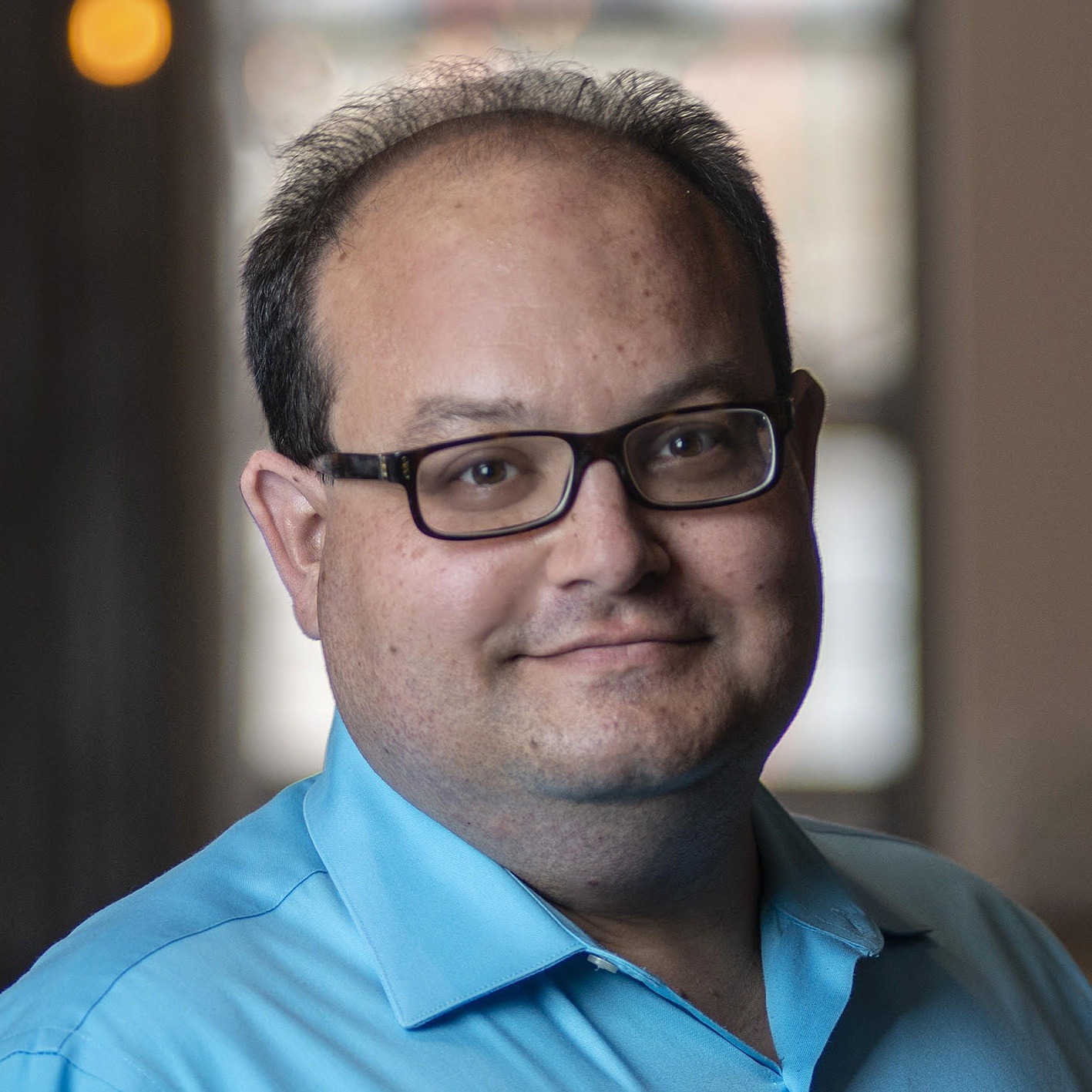
Ivan Oransky Ivan Oransky, MD, is co-founder of Retraction Watch and executive director of its parent nonprofit, The Center For Scientific Integrity. He is also Editor-in-Chief of The Transmitter and distinguished journalist in residence at New York University's Arthur Carter Journalism Institute. Ivan previously was President of the Association of Health Care Journalists and Vice President of Editorial at Medscape. He has also held editorial leadership positions at MedPage Today, Reuters Health, Scientific American and The Scientist. He has received numerous awards for his work, including the 2015 John P. McGovern Medal for Excellence in Biomedical Communication from the American Medical Writers Association, and in 2020 the Council of Science Editors gave Retraction Watch the Award for Meritorious Achievement, their highest honor.
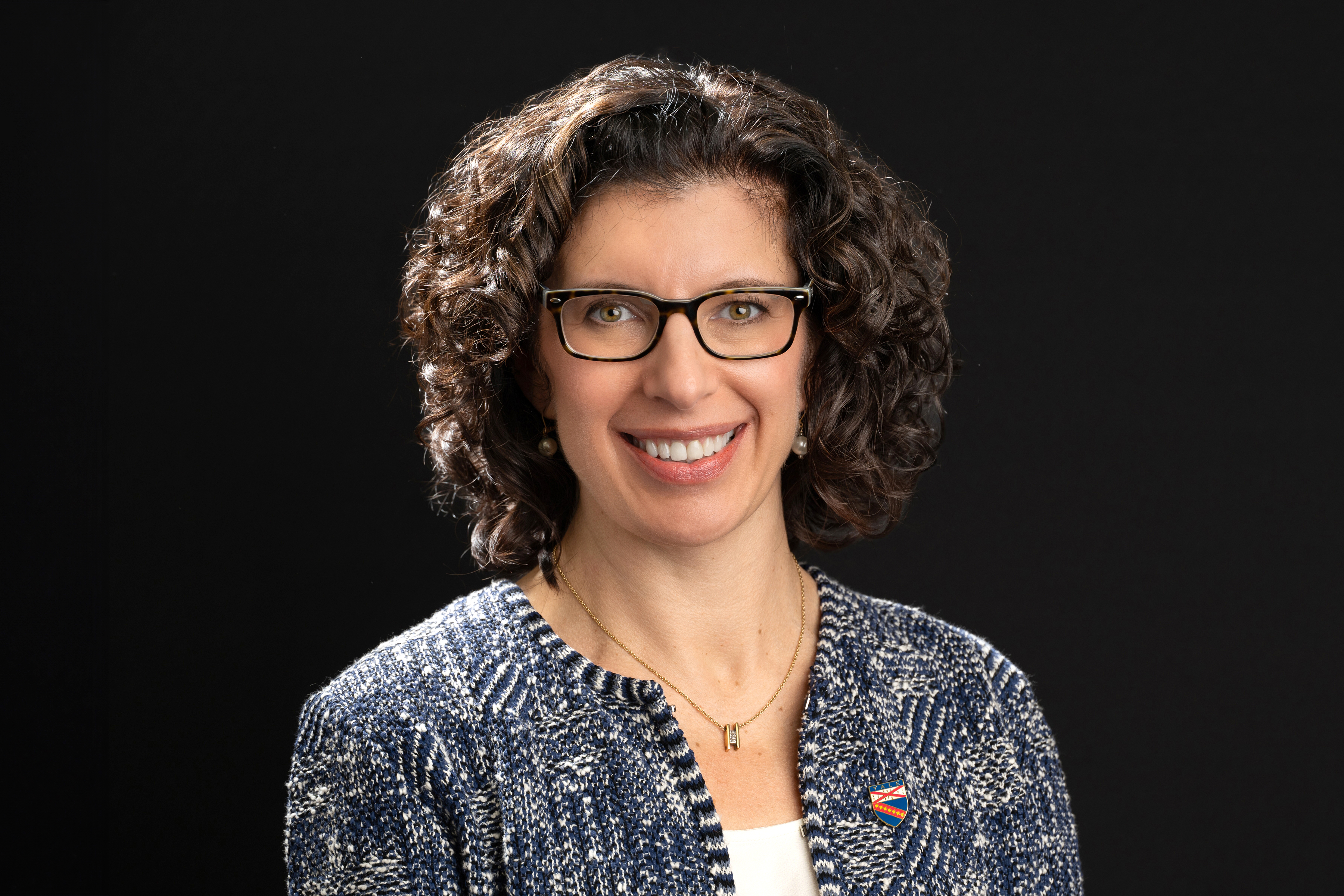
Megan Ranney Dr. Megan L. Ranney is an emergency physician, researcher, and international leader of public health innovation. As the inaugural Dean of a newly independent Yale School of Public Health, she is pioneering a bold new strategic vision for the field and the school - linking science and society, making public health foundational to communities everywhere. Her career is defined by her front-row seat to many of the globe’s greatest health crises, and by her scientific and programmatic leadership of community responses. She is best known for her work on firearm injury as a health problem. She is an elected member of the National Academy of Medicine, a Fellow of the American College of Emergency Physicians, and an Aspen Institute Health Innovator Fellow, among other honors. She has founded two successful non-profits, and she has shaped bipartisan policy by providing expertise to the U.S. Surgeon General, the White House, and state leaders across multiple presidential administrations. She is also a prominent voice in mainstream and online media.
Moderators: Michele Springer and Steve Smith
This webinar is sponsored by Frontiers.
Frontiers is one of the world’s most impactful research publishers, dedicated to making peer-reviewed, quality-certified science openly accessible. With more than 3 million researchers across 222 community-led journals covering 1,700 academic disciplines, we provide researchers with a trusted, cutting-edge, AI-powered open science platform to rigorously review their findings and maximize the dissemination of their discoveries.
|